
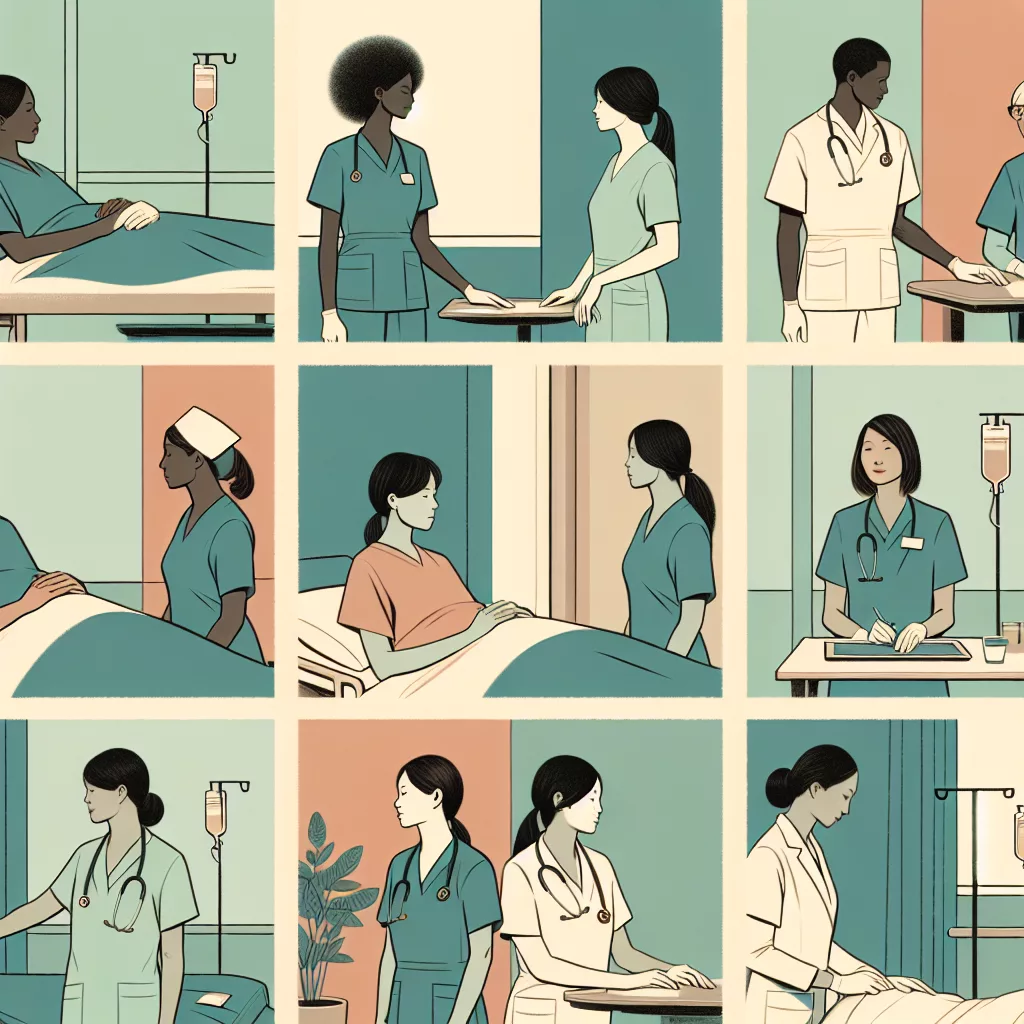
The high-stakes environment of registered nursing exposes you to a significant risk of burnout, with studies indicating elevated stress and emotional fatigue levels.
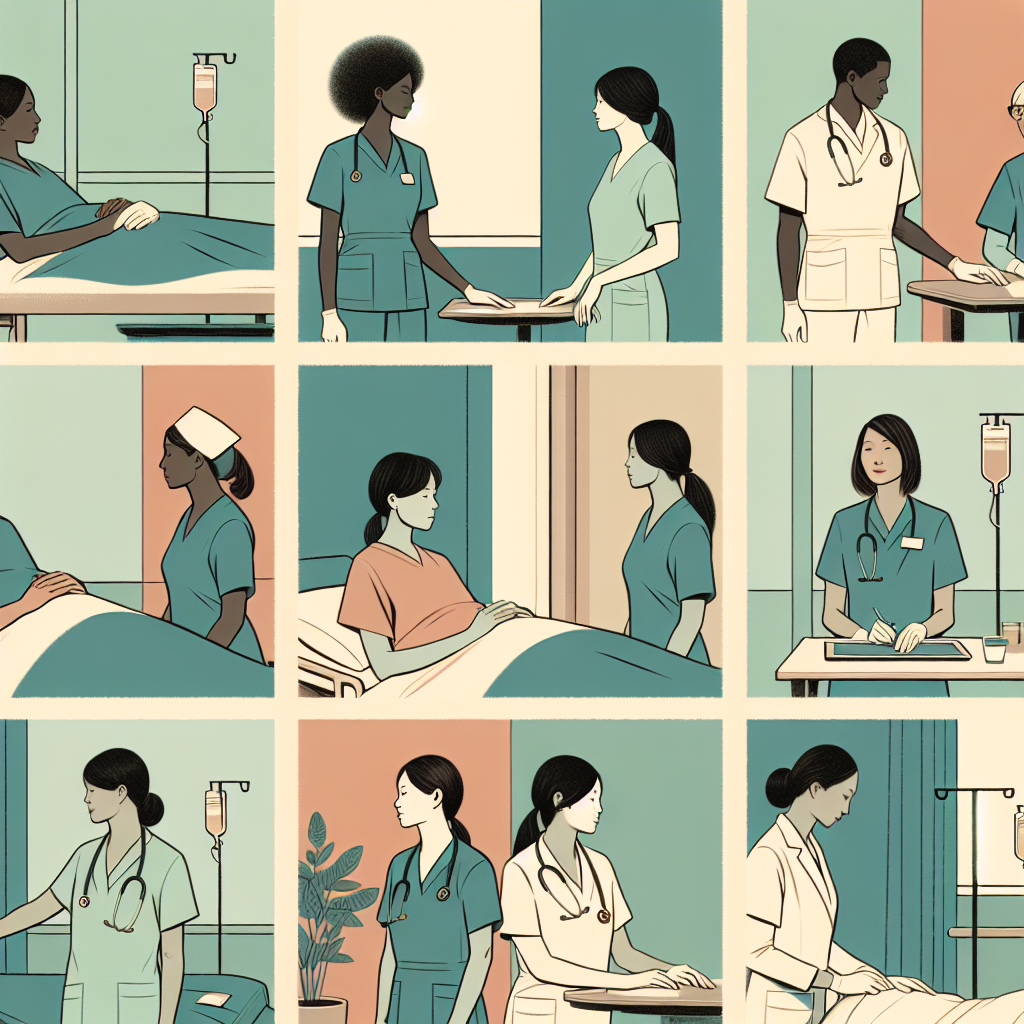
- Long working hours with few breaks.
- High patient-to-nurse ratio increases stress.
- Emotional exhaustion from patient care.
- Inadequate support from management.
- Exposure to traumatic situations regularly.
- Pressure to meet clinical performance goals.
- Lack of career advancement opportunities.
The current data on career burnout among Registered Nurses indicates that the level of burnout is severe.
Reasons Registered Nurses burnout
According to the science to date there are key reasons people burnout at work. Here’s our top reasons why Registered Nurse in the Healthcare category has a burnout risk of Severe:
One reason for burnout in the Registered Nurse (RN) profession is the high level of emotional stress. Nurses often work with patients in critical or end-of-life situations, requiring not only technical competence but also emotional resilience. Over time, this can lead to emotional exhaustion.
The demand for long work hours and mandatory overtime is another factor. Nurses frequently work 12-hour shifts, which can be exhausting both physically and mentally. The cumulative effect of consistent overwork can contribute to burnout.
Another challenge is the staffing shortages that many healthcare facilities experience. When there aren’t enough nurses to handle patient loads, the available staff must compensate, increasing their workload and stress levels.
You may also find that the high level of administrative responsibilities contributes to stress. Documentation, compliance with regulations, and administrative tasks take time away from patient care, which can lead to frustration.
Further exacerbating the situation is workplace violence and safety concerns. Nurses sometimes face aggressive behavior from patients or visitors, creating an unsafe working environment that can heighten stress and burnout.
Lastly, the lack of recognition and support can be demotivating. When your efforts are not acknowledged or adequately supported by management, it can lead to feelings of underappreciation.

Burnout rate data for Registered Nurse/Healthcare
Research on burnout among Registered Nurses and in the healthcare industry is substantial. Studies demonstrate that burnout is a significant concern due to high stress and workload. The American Medical Association highlights that 42% of healthcare workers report experiencing burnout (ama-assn.org). Burnout not only affects personal well-being but also impacts patient care and healthcare system efficiency.
You can find detailed analyses in reports by the National Institute for Occupational Safety and Health, which frequently updates data on workplace stress factors affecting healthcare professionals (cdc.gov/niosh). This data is crucial for developing interventions to mitigate burnout and support healthcare workers in these high-pressure environments.
Do you have experience of Burnout as a Registered Nurse or in Healthcare?
Share your story about Registered Nurse burnout on our share your story page.
Burnout in Healthcare
Career Burnout Rates > Burnout in Healthcare > Registered Nurse Burnout